
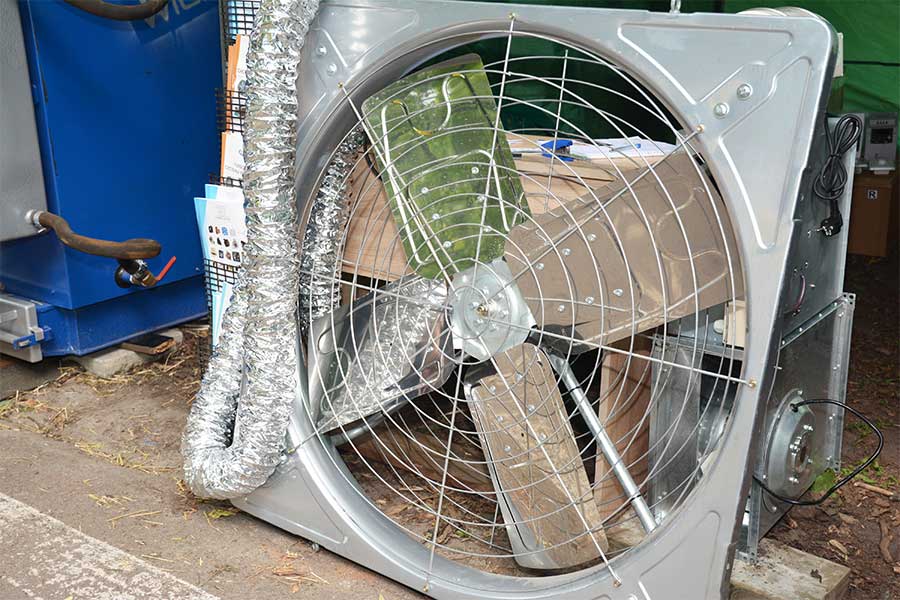
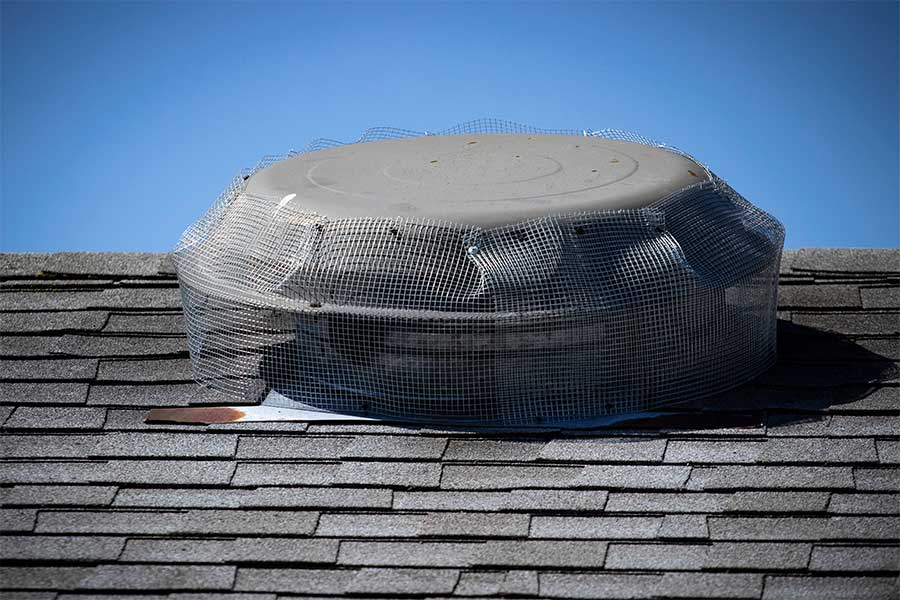
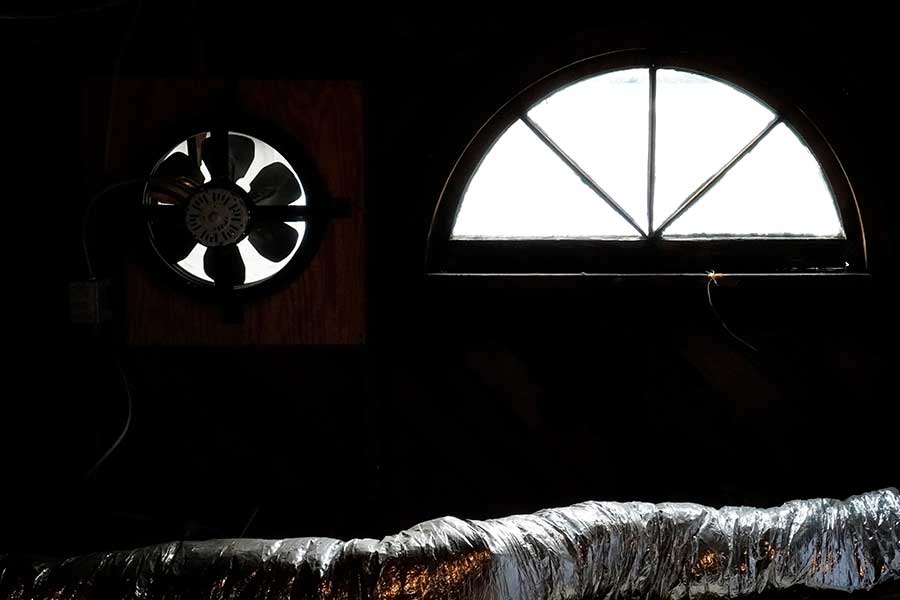
An attic fan is a ventilation device installed in your attic or roof that actively pulls hot air out of the space and replaces it with cooler outside air. Unlike passive vents that rely on natural airflow, an attic fan runs on electricity and moves air deliberately, keeping temperatures in the attic from climbing to the extreme levels that build up during warm months.
Without active ventilation, attic temperatures in New Jersey summers can reach well above 140 degrees. That heat doesn’t stay contained to the attic. It radiates down through the ceiling into your living space, making your air conditioning work harder and your home less comfortable. An attic fan interrupts that cycle by keeping the attic itself from overheating in the first place.


Some homes show clear signs that attic ventilation isn’t keeping up. Here’s what to watch for:
Bergen County’s humid summers make poor attic ventilation a more pressing issue than in drier climates. Moisture that gets trapped in an underventilated attic doesn’t just affect comfort. It creates conditions where mold and wood rot can develop over time.

We start by assessing your attic space, existing ventilation, and electrical access before recommending a fan size or placement. Getting those details right upfront makes a real difference in how well the system performs.
Once we’ve identified the right approach, we install the fan, run the necessary wiring, and connect everything to a dedicated circuit or your existing electrical system depending on what your home supports. Solar-powered attic fans are also an option we can discuss if you’re interested in reducing operating costs.
After installation, we test the fan to confirm it’s moving air the way it should and walk you through how it operates. Good Fellow Electric pulls any required permits and handles the inspection process so you don’t have to.
When your attic stays cooler, your air conditioning doesn’t have to work as hard to maintain a comfortable temperature inside your home. That translates directly into lower energy use during the months when cooling costs are at their highest.
For New Jersey homeowners, summer cooling costs are a real concern. The combination of heat and humidity that settles into the area from June through September puts consistent pressure on home cooling systems. An attic fan reduces that pressure by addressing one of the main sources of heat gain in the home.
Over a full cooling season, the energy savings from an attic fan can be meaningful. The fan itself uses relatively little electricity compared to the reduction in air conditioning load it creates, which is why many homeowners find the installation pays for itself within a few seasons.


Fan sizing depends on your attic’s square footage and your roof’s pitch. We assess this during our initial visit and recommend the right unit for your specific space.
Most homes can accommodate an attic fan. Homes with very tight attic spaces or specific roof configurations may require a different approach, which we’ll identify during our assessment.
Most electric attic fans use between 200 and 400 watts, which is relatively modest compared to the reduction in air conditioning load they provide. Solar-powered options use no grid electricity at all.
Yes. Improved airflow reduces the humidity levels that allow mold and moisture damage to develop. If mold is already present, that’s a separate issue that should be addressed before or alongside fan installation.
Most installations are completed in two to four hours depending on attic access and the electrical work required.