

GFCI stands for ground fault circuit interrupter. It’s a type of outlet designed to monitor the flow of electricity through a circuit and shut it off within milliseconds if it detects an imbalance. That imbalance is what happens when electricity finds an unintended path to ground, which can occur when a person becomes part of that path.
The practical purpose of a GFCI outlet is to prevent electrocution in locations where water and electricity are likely to be in close proximity. A standard outlet has no ability to detect a ground fault and will keep delivering current even in a dangerous situation. A GFCI outlet cuts power fast enough to prevent a serious injury in most cases.
GFCI outlets are recognizable by the small test and reset buttons on their face. When the outlet trips, pressing the reset button restores power. If it won’t reset or trips repeatedly, that’s a sign something needs attention.


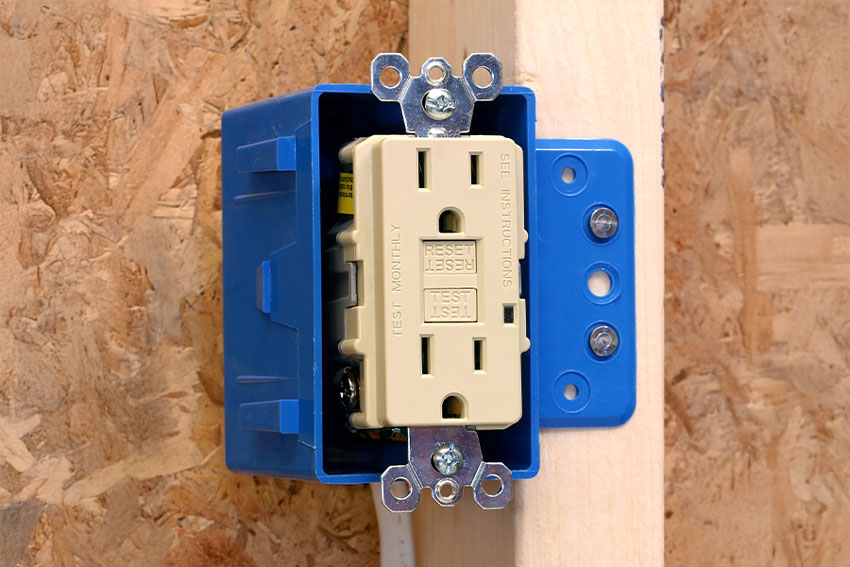
The National Electrical Code specifies where GFCI protection is required based on proximity to water sources. In a typical Bergen County home, required locations include:
New Jersey follows the National Electrical Code, and Bergen County enforces it. Homes that were built or last updated before GFCI requirements went into effect may be missing protection in some or all of these locations. This is something we see regularly in older housing stock and something we can address in a single visit.

Bergen County’s combination of older housing and high humidity creates conditions where GFCI outlets tend to have more problems than in newer or drier environments. Here are the issues we run into most often:
The humidity factor is worth noting specifically. Moisture intrusion in outlets located in garages, basements, and outdoor locations accelerates corrosion on internal components. An outlet that looks fine from the outside may no longer be functioning the way it should.
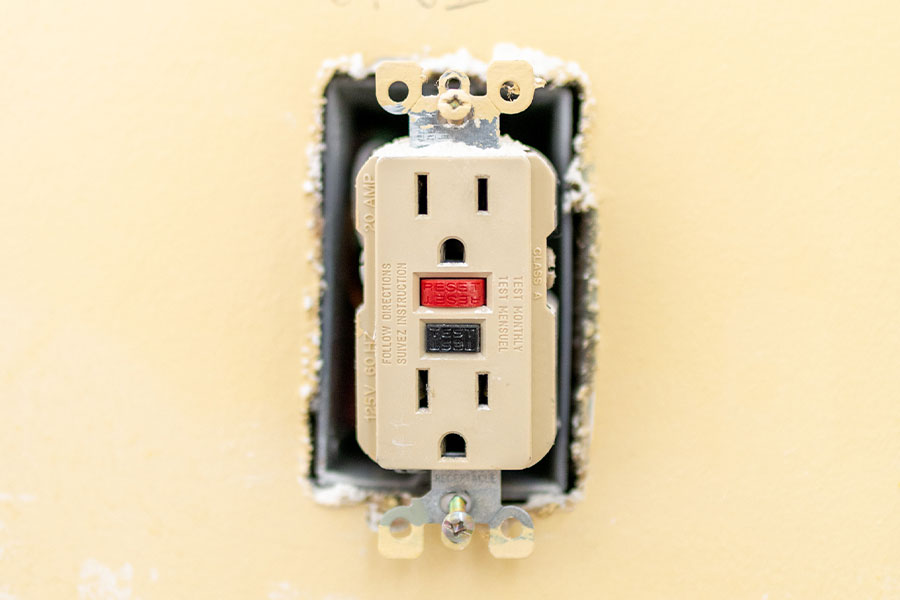
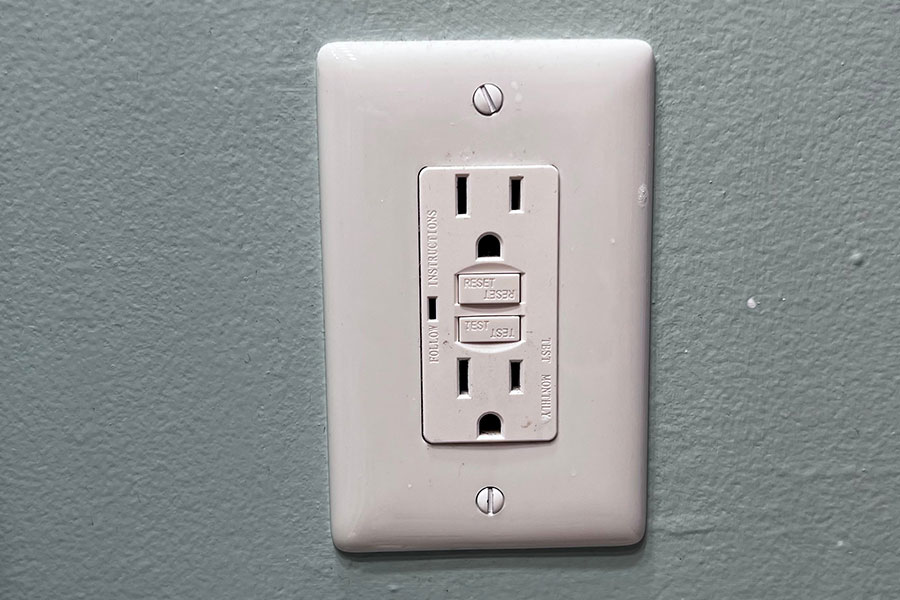
Good Fellow Electric handles GFCI work as a complete service rather than a simple swap. When we install or replace a GFCI outlet, we verify that the wiring behind it is in good condition and connected correctly. A GFCI outlet that’s wired improperly may appear to work but won’t actually provide the protection it’s supposed to.
We test every outlet after installation using a dedicated outlet tester to confirm it trips and resets correctly and that the downstream protection is working as intended. If we find wiring issues during the process, we let you know what we found and what it takes to address it before we proceed.
We also handle full GFCI audits for homeowners who want to confirm their home meets current code requirements. This is a common request when a home is being listed for sale or after a renovation.

Repeated tripping usually means the outlet is detecting a real ground fault somewhere on the circuit, the outlet itself is failing, or there is moisture affecting the outlet or its wiring. We diagnose the cause rather than just resetting it.
Yes. A GFCI outlet wired correctly can provide protection to other outlets connected downstream on the same circuit. We verify this is set up properly during installation.
There’s a good chance a GFCI outlet somewhere on the same circuit has tripped. GFCI outlets cut power to everything downstream when they trip. We can locate and reset it or replace it if it’s no longer working.
Code requirements apply to new construction and renovations. Existing homes are not always required to be updated retroactively, but adding GFCI protection where it’s missing is strongly recommended for safety and can be required during a home sale inspection.
Individual outlet replacements are typically completed in under an hour. A full home audit and installation across multiple locations may take two to four hours depending on the number of outlets involved.