
We start with a walkthrough of your home’s electrical system to make sure it can support your new charger. From there, we identify the best location for installation, whether that’s your garage, driveway, or exterior wall, and walk you through the options before any work begins.
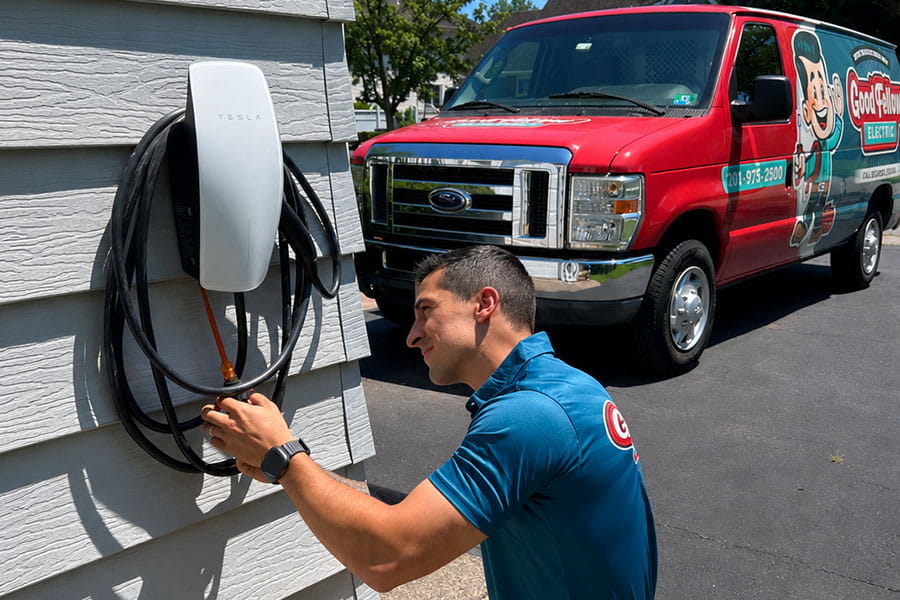
Once the plan is set, we pull the necessary permits and get to work. Our team handles all the wiring, mounting, and panel work required to get your charger up and running safely. Before we leave, we test everything and make sure you know exactly how to use your new setup.


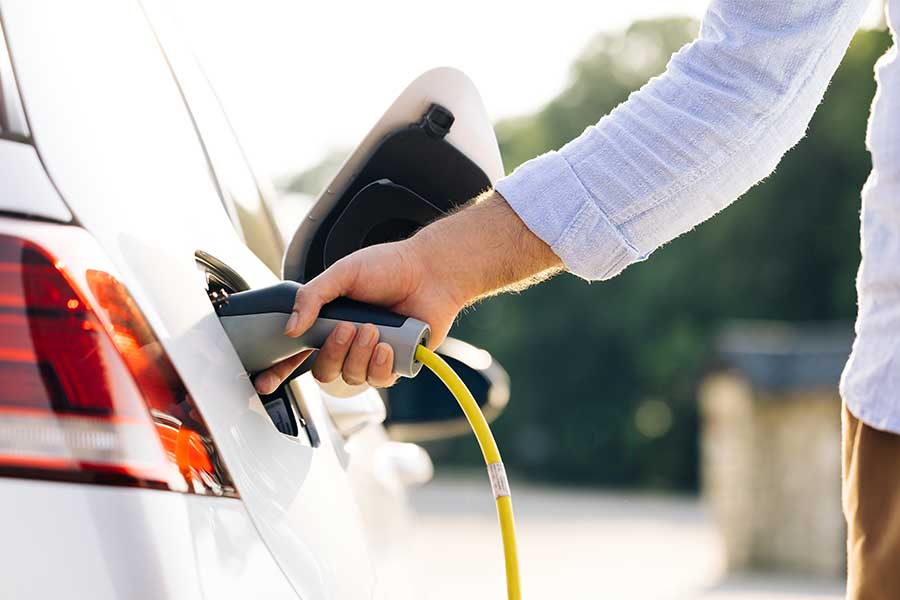
Not all EV chargers work the same way, and the right choice depends on how you drive and what your home can support.
Level 1 chargers plug into a standard 120-volt outlet and work for drivers who don’t put a lot of miles on their vehicle each day. Charging is slow, typically adding 3 to 5 miles of range per hour, but it requires no electrical upgrades in most homes.
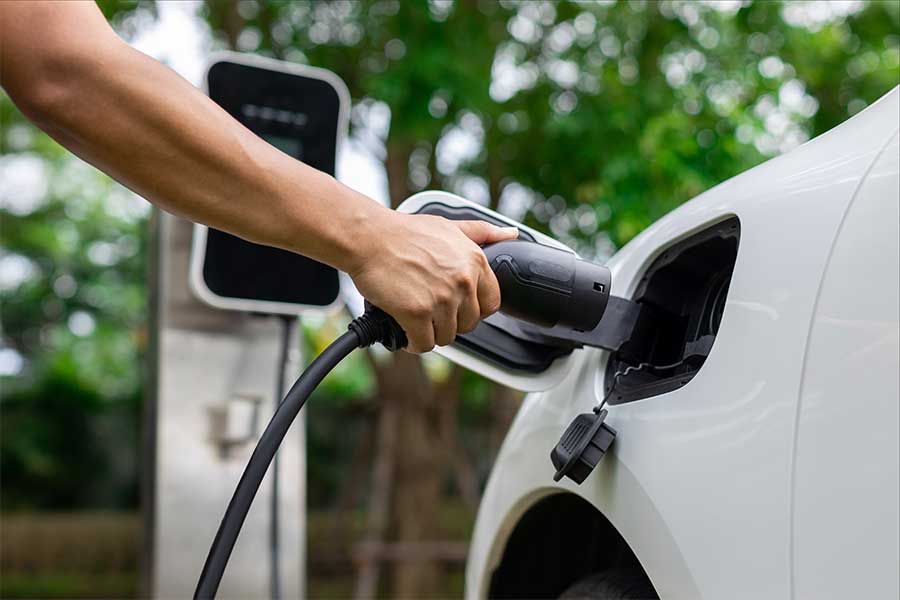
Level 2 chargers run on a 240-volt circuit and are the most popular choice for homeowners. They can add 20 to 30 miles of range per hour, meaning most drivers wake up to a full charge every morning. This is the option we install most often for Bergen County residents.
DC fast chargers are typically found in commercial settings and require significant electrical infrastructure. For most home installations, Level 2 is the practical and cost-effective choice.

Charging at home is more convenient than relying on public stations, and it tends to be significantly cheaper per kilowatt-hour. You set it and forget it, plugging in when you get home and starting each day with a full battery.
A homeowner also benefit from the predictability of home charging. Public chargers can be busy, out of service, or simply out of the way. Having your own setup means you’re never waiting in line or adjusting your schedule around a charging stop.
Over time, home charging also reduces wear on your vehicle’s battery compared to frequent use of DC fast chargers. It’s a quieter, steadier charge that’s better for long-term battery health.
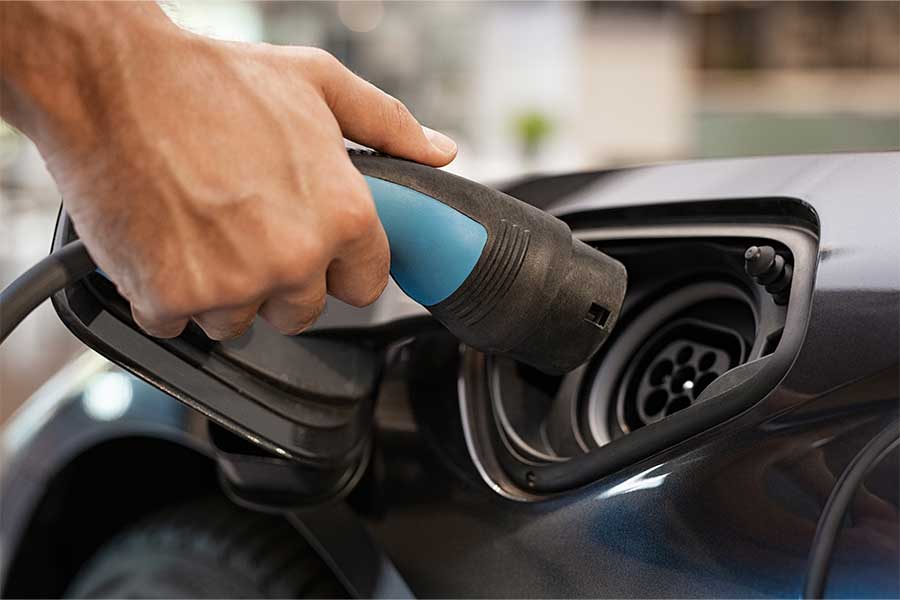
EV charger installation in New jersey requires a permit through the Borough of Bergen County’s Building Department. This is not optional, and any installation done without one can create problems when it comes time to sell your home or file an insurance claim.
Good Fellow Electric handles the permitting process for you. We know what the local inspectors look for and make sure every installation meets New Jersey’s electrical code requirements. You won’t need to chase down paperwork or figure out the process on your own.
Bergen County’s older housing stock also means some homes need a panel upgrade before a Level 2 charger can be added. We assess this during our initial walkthrough so there are no surprises once work begins.
New Jersey offers several programs that can offset the cost of EV charger installation. The New Jersey Board of Public Utilities runs the Charge Up New Jersey program, which provides rebates for the purchase of qualifying Level 2 home chargers. Rebate amounts vary based on income and charger type.
PSE&G, which serves much of Bergen County, has also offered incentives for residential EV charger installations through its energy efficiency programs. These programs change periodically, so we recommend checking current availability when you’re ready to move forward.
Federal tax credits may also apply to your installation through the Alternative Fuel Vehicle Refueling Property Credit. A tax professional can help you determine what you qualify for based on your situation.


Most Level 2 installations are completed in three to five hours, depending on your panel’s location and whether any upgrades are needed.
Not always. We assess your panel before any work begins and let you know upfront if an upgrade is needed.
This depends on your building’s electrical setup and HOA rules. We can evaluate your situation and help you understand your options.
We install a range of trusted brands and can help you choose one that fits your vehicle and budget.
Yes. All permitted electrical work in Bergen County requires a final inspection. We coordinate this as part of our process.